

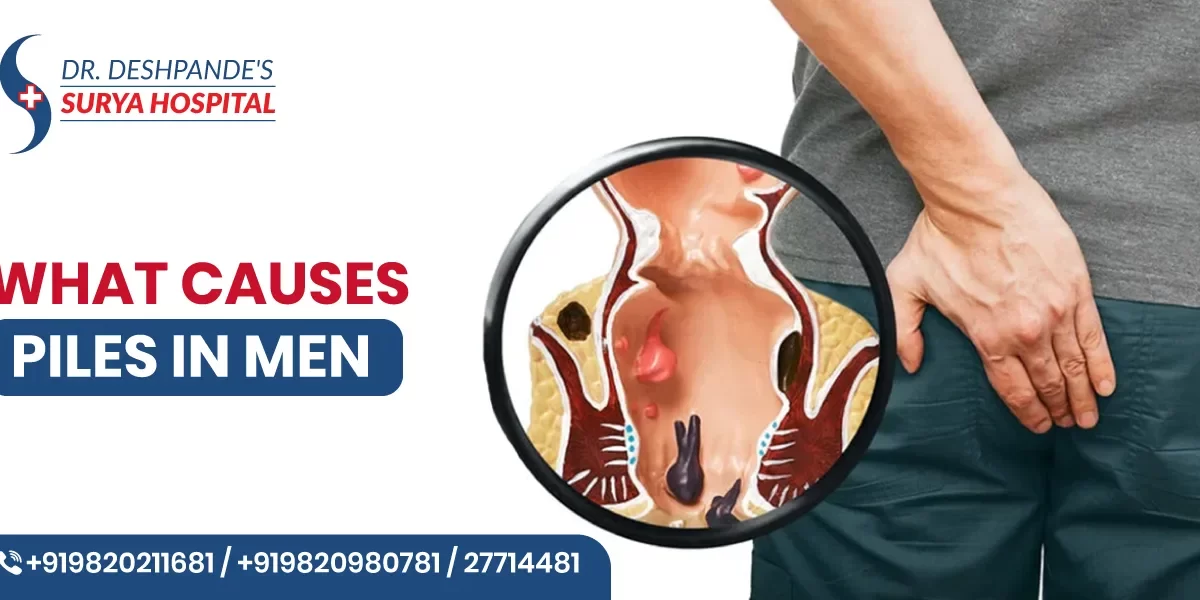
Hemorrhoids, also called piles, are a condition in which the veins in your rectum become enlarged and swollen, causing pain, bleeding, and itching. These are like varicose veins, except they are present in the more delicate area. The symptoms usually vary depending on whether you have internal or external piles.
Piles is still not as openly discussed as other medical issues, but it’s treatable. Hemorrhoids treatment in Navi Mumbai usually involves lifestyle changes, over-the-counter topicals, ointments, and suppositories.
Symptoms of Piles
See a piles specialist in Navi Mumbai if you experience these signs:
- Pain while sitting
- Pain or blood when passing a bowel movement
- A visible lump near the anus
- Irritation and itching
- Mucus discharge
Common Causes of Piles in Men
Piles are preventable. Knowing the causes can help you avoid activities or foods that can enlarge the veins in your rectum. Here are the common causes of piles in men.
1. Constipation
Chronic constipation is the leading cause of piles in men. Constipation makes your stools harder and more difficult to pass. The result? You sit on the toilet for longer than usual and strain to push it out. Over time, continuous straining and pressure can irritate the veins around the rectum, causing inflammation and swelling.
This gets you stuck in a loop. Constipation causes piles, which makes it more painful to pass stools. You might delay going to the toilet, which further hardens the stool, making piles worse.
2. Sitting for Prolonged Periods
Sitting for long stretches can increase pressure in your anal or rectal area, increasing your risk of piles. Modern lifestyles and work habits are the biggest culprits here. Many have desk jobs that require sitting for prolonged periods. Many sit on the toilet and scroll through their phones.
If you can’t avoid long periods of sitting, include short breaks. Take a break after every 30-40 minutes of sitting. Go out. Move around.
3. Lack of Fiber
According to Healthline, men need 31 to 34 grams of fiber per day. Vegetables, whole fruits, whole grains, lentils, beans, seeds, and adequate fluid intake all add to your daily fiber intake. Remember, it is fiber that makes your stool softer and easier to pass. Certain eating habits, such as skipping whole grains, vegetables, and fruits, or eating too much processed foods and dairy, can cause constipation, which, over time, can lead to piles.
4. Obesity
Excess weight or obesity is also linked to an increased risk of piles in men. Obesity increases pressure in the rectal area. Besides, obesity tends to occur with other activities that may trigger piles.
For example, obese people might live a sedentary lifestyle or avoid moving around, which can lead to constipation. Excessive weight also affects circulation, which can cause blood to pool in your rectum, causing swelling in the surrounding veins.
Piles can be painful. It may be difficult to talk about them, but they are quite common and often preventable, as well as treatable. Knowing the common causes can help you take preventive steps to avoid piles.