
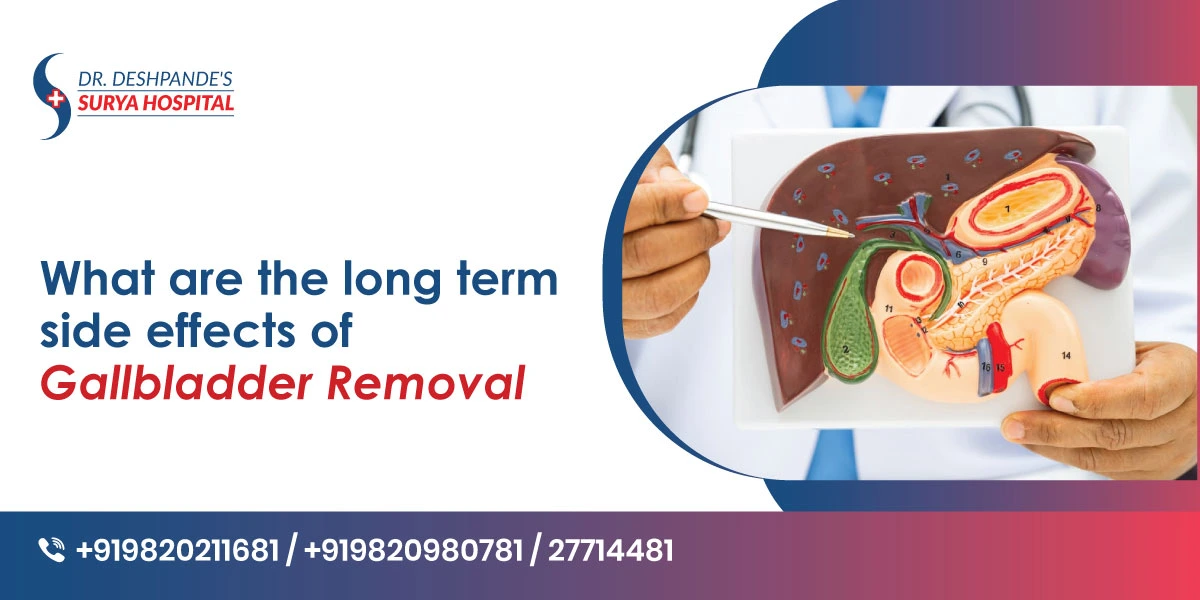
In most people, life after gallbladder removal looks normal. The surgery is recommended when you have gallbladder inflammation, gallstones, and other gallbladder-related issues.
It can provide long-term relief from upper abdominal pain and digestive distress caused by gallstones and significantly reduce the risk of recurrence, but a common question remains: does this gallstone treatment in Navi Mumbai cause any long-term health issues? Let’s find out.
What Does the Gallbladder Do?
The bile, which helps break down fat from your food for better absorption, is released into your small intestine from the gallbladder after meals. Now, with your gallbladder removed, the bile flows directly from the liver to the intestine rather than being temporarily stored in the gallbladder.
Your body adapts to this change, and most people resume their routine and diets without any complications. Some, however, may notice changes in the frequency of their bowel movements, as well as food tolerances.
Long-Term Side Effects of Gallbladder Removal
The surgery offers great success rates, with many people experiencing relief from gallstone symptoms shortly after surgery. Still, certain side-effects are possible.
1. Changes in Bowel Movements
Bile acid diarrhea is a common side effect of gallstone surgery. Since the bile doesn’t get stored in the gallbladder, a large amount of it can flow directly to the intestines, reaching the colon.
This can increase the frequency of your bowel movements. You might mainly notice symptoms after having a heavy, large meal, particularly meals rich in fat. The sudden need to use the toilet can be uncomfortable, especially when you are traveling, at work, or with your social circle.
Your bowel movements might gradually become normal. However, if you have persistent diarrhea with extremely loose stools, it’s best to see your gallstone surgeon in Navi Mumbai instead of overlooking it as a normal consequence of cholecystectomy.
2. Nutritional Deficiencies
It’s natural to wonder if removing the gallbladder affects nutrient absorption. The changes in bile flow can affect how your body processes fat-soluble vitamins, including A, D, E, and K.
However, in most people, it doesn’t make vitamin or fat absorption harder. Cholecystectomy removes the gallbladder. It doesn’t stop bile production altogether. So, bile is produced and released consistently, thus helping with fat and nutrient absorption.
Nutritional deficiencies can be a concern when you develop bile acid diarrhea, digestion issues, and have existing digestive problems.
3. Difficulty Tolerating Certain Foods
A more prominent side effect of cholecystectomy is difficulty tolerating greasy and fatty meals as effortlessly as you did before. With a gallbladder, your bile is released after you have eaten a large, fatty meal to ensure proper digestion.
The only change is the timing and amount of bile released after you have had a meal. This can cause diarrhea, stomach discomfort, gas, and bloating, especially after eating fat-rich or oily foods, such as deep-fried snacks, creamy gravies, and sauces.
Fortunately, these side-effects are often manageable with simple lifestyle and dietary changes. For example, identifying foods that may trigger stomach discomfort, eating smaller meals, and avoiding deep-fried foods can all help.