
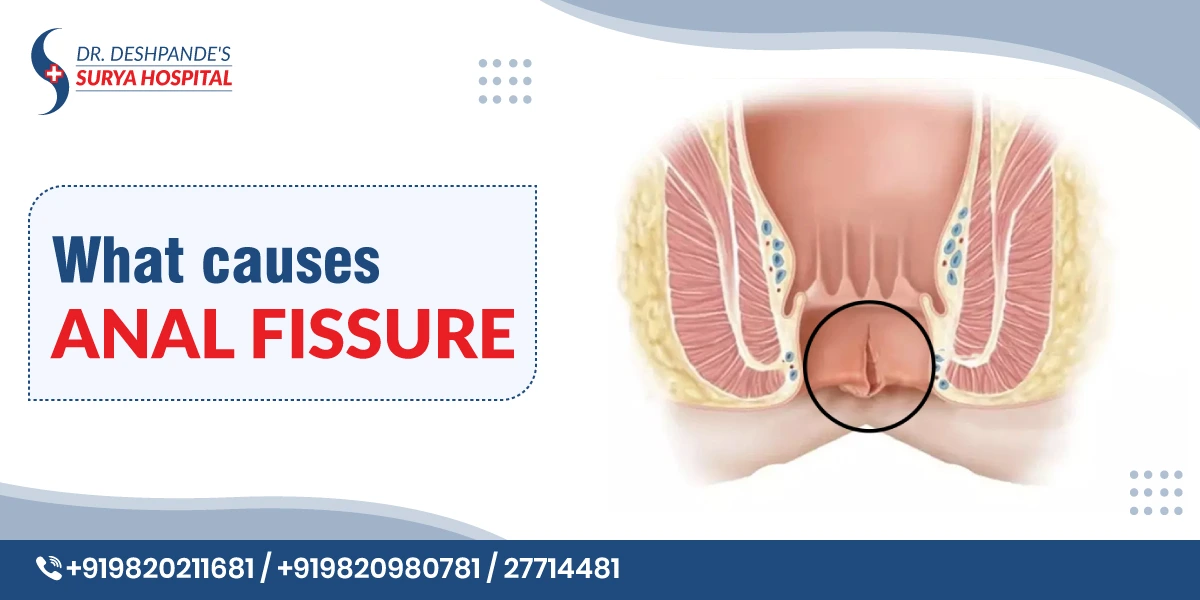
An anal fissure is a crack, split, or minor tear in the skin that lines your anal canal. It may sound like a small issue, but a fissure can be extremely painful and cause significant discomfort, especially when passing stools. It also causes blood in the stools.
It’s best to consult a general surgeon in Navi Mumbai if you have frequent fissures that don’t get better with home remedies or over-the-counter medication. In this post, we’ll take a look at the common causes of anal fissures and the best treatment options.
Symptoms of Anal Fissure
Here’s how to know if you have an anal fissure:
- Pain: The cut in the anal skin can cause sharp pain during bowel movements. The pain might linger afterward. It feels like a burning sensation. The fear of pain can often discourage people from using the toilet, which worsens the tear and makes stools harder to pass.
- Blood in the Poop: The cut can also damage the tiny blood vessels, causing light bleeding in the stools. The blood looks fresh and bright red.
- Itching: You may feel an overwhelming urge to scratch the area constantly to get relief.
Causes of Anal Fissure
Here is what causes an anal fissure:
1. Constipation
Fissures are common in people who experience frequent constipation. When stools stay in your colon for a prolonged period, they become dry and hard. Passing these large, dry stools requires excessive straining, which can stretch your anal lining beyond its limit. Constipation is the most common cause of anal fissures.
2. Chronic Diarrhea
Passing loose stools several times a day can also cause anal fissures. The acid present in your stools can irritate the anal lining, making it vulnerable to tears and splits.
3. Childbirth
Women who have vaginal deliveries are more prone to developing anal fissures than c-section moms. During delivery, there’s extreme pressure on your anal and pelvic area. Excessive stretching during childbirth can cause a tear in your vagina and the anal lining. Fissures are also common post-delivery. Hormonal fluctuations can slow down your digestion, causing stools to become hard and dry.
4. Anal Sex
Sometimes, anal intercourse or inserting hard objects into the anus can cause a fissure. Although it’s less common, too much stretching of the skin can cause a deep cut.
5. Internal Anal Sphincter Spasm
You have internal and external sphincter muscles, which control your bowel movements. Internal muscles remain contracted, and the external one is voluntarily controlled, i.e., when you hold in or release the stool. When you have an anal fissure, the internal sphincter muscles contract tightly, reducing the blood supply to the affected area. This can exacerbate the pain and worsen your symptoms.
Treatment for Anal Fissure
An anal fissure usually heals on its own. Include fiber in your diet and drink enough fluids to stay hydrated. Do not hold in the stools, as the water from the stools is absorbed, making them hard. An anal fissure surgery in Navi Mumbai often offers significant relief if you have chronic anal fissures that won’t heal easily.