
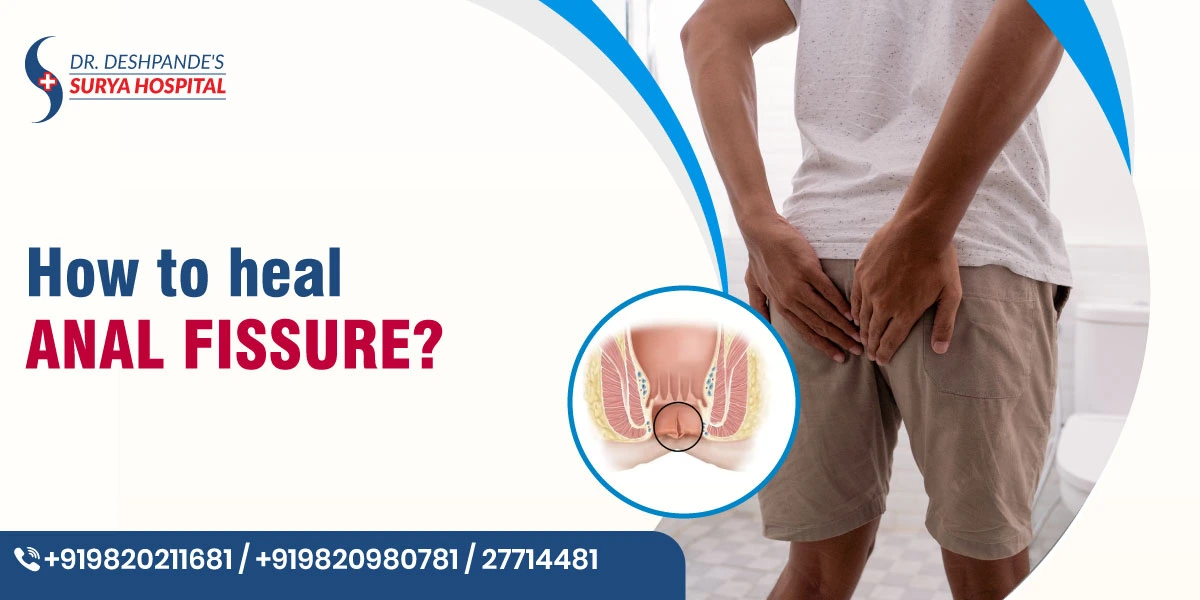
Stools are expelled from your body through an opening at the end of the digestive tract called anus. Hard stools or excessive straining in the toilet can cause a tear in the tissue that lines your anus. The medical term for the condition is anal fissure. Fortunately, fissure treatment in Navi Mumbai is mainly based on conservative treatment options that involve medication, lifestyle changes, and home remedies to heal the anal tissue. This raises the question of how to heal anal fissures? Read on to learn more.
Symptoms and Causes of Anal Fissure
Anal fissures are quite common in young infants as well as pregnant women. However, anyone can develop a fissure. Watch out for these signs:
- Pain in the anus when passing a bowel movement
- Lingering pain that doesn’t ease after you are done using the toilet
- A visible tear around the anus
- Blood in your stools
- A burning sensation when passing stools
Trauma to the anal tissues can cause anal fissures. Here’s what makes it highly likely:
- Anal intercourse
- Straining when using the toilet
- Persistent diarrhea
- Childbirth
- Passing hard stools
Those diagnosed with inflammatory bowel diseases may have weakened anal lining, which is more prone to tears from stretching and straining.
How is Anal Fissure Different from Hemorrhoids?
Both have similar symptoms. Bright red blood in the stools, cutting and burning pain in the anus, and anal itching are present in both conditions. The key difference is that 90% of fissures cause pain, while hemorrhoids may or may not always be painful. Rectal bleeding is the most common sign of a hemorrhoid.
Treatment for Anal Fissures
Fortunately, most anal fissures that are temporary may heal well without medical intervention. Basic hygiene practices, a fiber-rich diet, stool softeners, and soaking in warm water can provide relief to your sphincter muscles and heal fissures. However, if you experience pain, rectal bleeding, and other fissure symptoms for weeks, consult a healthcare expert.
- Nitroglycerin Ointment: It’s a topical that enlarges your blood vessels and relaxes sphincters, offering significant relief from anal fissure symptoms. This vasodilator can, however, cause severe headaches.
- Laxatives: If you have chronic constipation, which frequently leads to a crack in the anal lining, laxatives can help. They prevent damage to the anal lining and sphincters by softening your stools.
- Botox: Botox relaxes sphincters, offers relief from spasms, and speeds up fissure healing.
Surgical Treatment
Anal fissure surgery in Navi Mumbai is the last resort for fissures that do not respond to conservative treatment. Medication may not always be effective when it comes to fissures. Besides, there’s always the risk of recurrence.
Surgery has a high success rate. Lateral Internal Sphincterotomy (LIS) is generally recommended for patients with recurrent fissures. LSI cuts a small portion of the sphincter muscles to provide relief from spasms.
An anal fissure is not a medical emergency. However, they can be very painful, especially when you are passing a bowel movement. Some fissures heal well without medical support, while others may respond well to medication. It’s best to discuss your symptoms with a doctor and work with them to find a suitable treatment.