
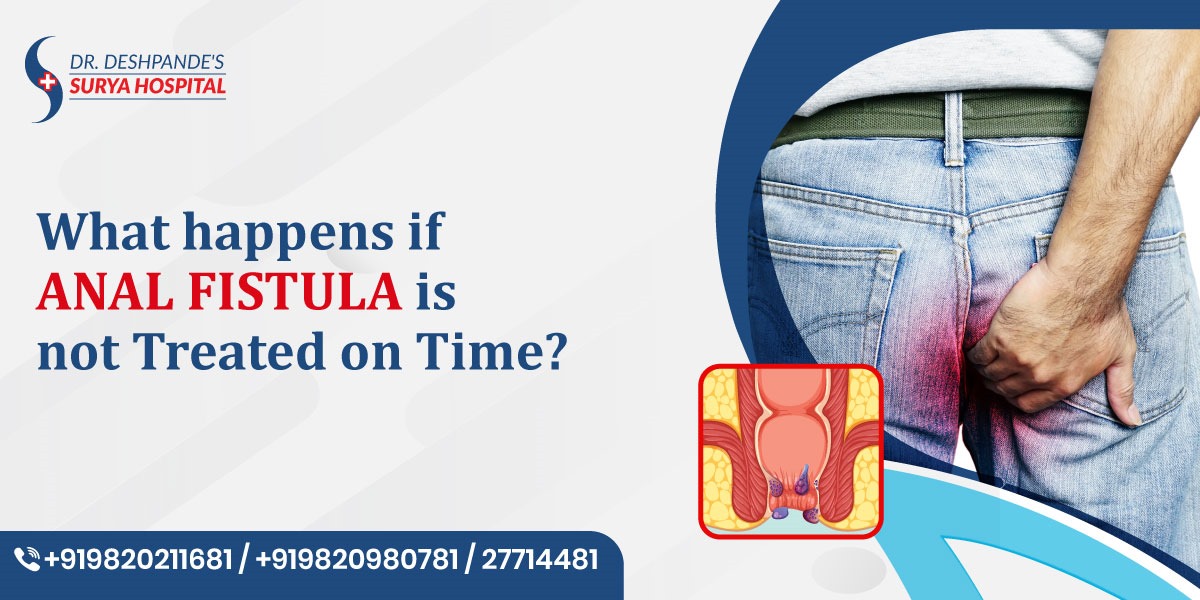
An anal fistula is like a tunnel that develops between your rectum and anus. It can be super painful and uncomfortable. An anal fistula occurs due to an infection. Although it may be uncomfortable to discuss, it’s a painful medical condition that can lead to complications if left unaddressed for a long time. Most people with this issue need to undergo anal fistula surgery in Nerul. Here’s all you should know about it, its treatment options, and its potential complications.
What are Anal Fistulas?
As the pus drains from your anus, it can form a tunnel-like path between the end of the bowel and the skin surrounding your anus. The most common symptoms of anal fistula include:
- Pain in the butt, particularly when passing a bowel movement, sitting, or touching the surrounding skin.
- Drainage from the anus (could be pus, blood, or other discharge with an unusual odor).
- Swollen and inflamed anus or the surrounding part.
Although less common, an anal fistula can cause fever, pain during urination, and inability to hold the bowel movement. A fistula can’t be seen with a mirror. You need to visit a healthcare provider for an accurate diagnosis.
Complications of Untreated Anal Fistula
Timely treatment of anal fistulas is crucial. Here’s what happens if you ignore its symptoms:
- Persistent Pain: Fistulas indicate an infection, which can worsen if left untreated. This infection can cause chronic pain and extreme discomfort. The pain can affect your quality of life and routine activities.
- Multiple Fistulas: Untreated anal fistula can create severe openings near the anus, making treatment more difficult and painful.
- Fecal Incontinence: Fistulas affect your sphincter muscles, which affects your ability to hold poop. This can cause the leakage of bowel movements, thus affecting your emotional well-being and social life.
- Sepsis: A life-threatening infection that occurs when an untreated infection spreads throughout the body. Symptoms include high-grade fever, rapid heartbeat, and confusion.
- Heightened Risk of Anal Cancer: Although it’s less likely, there’s a chance that untreated anal fistulas can lead to precancerous growth, which may eventually turn into anal cancer.
Treatment Options for Anal Fistula
Anal fistula almost always require a surgical intervention. You need to consult a professional surgeon specialising in Fistulotomy, LIFT procedure, seton placement, and flap surgery. The goal is to treat infection without damaging the sphincter muscles.
Fistuolotomy is a standard treatment for simple fistulas. The procedure opens the fistula tract to ensure proper drainage and quick healing. If it’s a complex fistula, the doctor may perform Ligation of Intersphincteric Fistula Tract—a procedure that involves closing the fistula tract from the inside to prevent its recurrence. It’s best to discuss fistula surgery cost in Navi Mumbai before proceeding.
Other Treatment Options
Antibiotics may be recommended before and after the surgery to minimize the risk of infection. Although they alone can’t cure anal fistulas, a proper course of antibiotics is quite effective in treating infection. Lifestyle adjustments, like maintaining good anal hygiene, eating a diet rich in fiber, drinking sufficient water, and avoiding a sedentary lifestyle can also help ease discomfort.