
Sudden, severe pain on the lower right side of the abdomen that keeps getting worse within hours should never be ignored. It can be acute appendicitis — a medical emergency that requires immediate diagnosis and treatment.
While it does sound intimidating, appendicitis treatment in Navi Mumbai, which usually involves a surgical removal of the appendix, offers hope to patients struggling with the intense, unbearable pain. Here’s more about acute appendicitis, including its causes, symptoms, risk factors, and treatment.
Understanding Acute Appendicitis
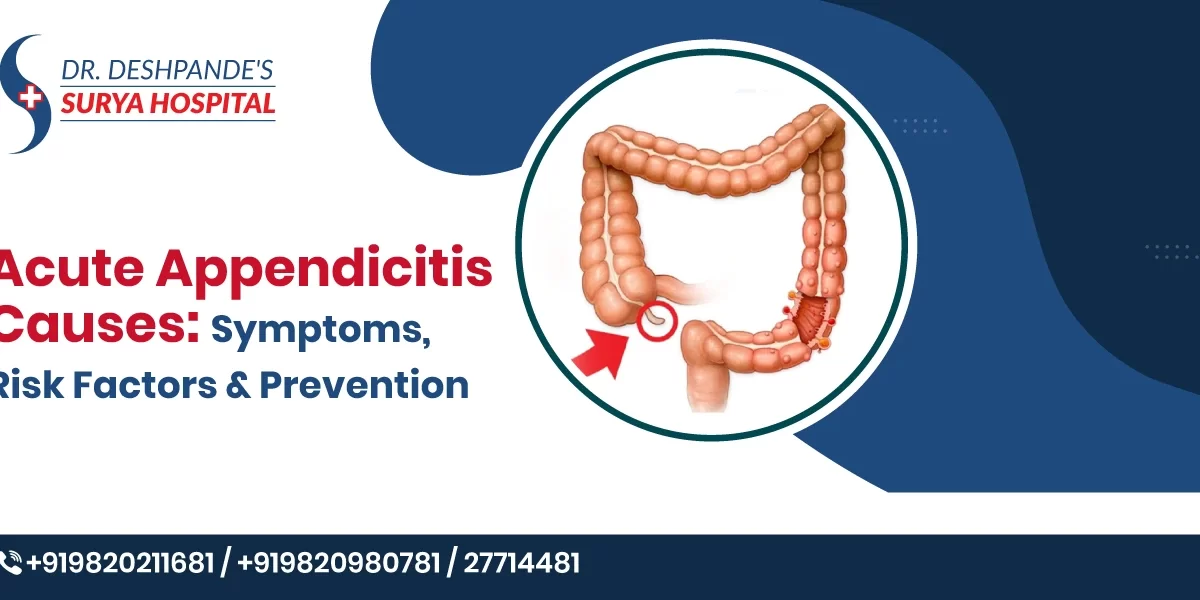
An appendix is a tiny tube that sticks out from your large intestine in the lower belly. This small organ can get blocked or inflamed, causing it to swell and increasing the risk of infection. If not caught and treated in time, the pain can become severe, and the risk of the appendix bursting increases. This can lead to complications, such as infection spreading to the abdomen.
Causes and Symptoms
Appendicitis occurs when something blocks the appendix’s opening. Here are the common causes:
- Stool: Hard stools can block the appendix’s opening, causing bacteria to multiply inside the appendix and the infection to grow rapidly.
- Existing Infections: An existing viral or bacterial infection in the abdomen can inflame the lymph tissues in the appendix, causing swelling and blockage.
- Tumours: Although possible, it’s rarely a cause of the appendix’s blockage and infection.
For most people, the classic sign of an appendix is abdominal pain. However, it’s not the same for everyone.
- Pain in the belly, starting around the navel and radiating to the lower right abdomen
- Pain getting worse with coughing, walking, or other movements
- Nausea and vomiting
- Loss of appetite
- Constipation or diarrhea
- Fever (can be mild or high-grade)
- Swollen belly
Since the symptoms of appendicitis often overlap with those of stomach infection, gas, or food poisoning, they are often ignored. Any severe pain that persists and gets worse over hours needs medical evaluation.
Risk Factors
Acute appendicitis can affect anyone, from children to adults, and often doesn’t come with much warning. However, certain factors increase the risk:
- Age: Children and adults between 10 and 30 years are at a higher risk
- Gender: Men are slightly more likely to get appendicitis than women
- Low-fiber diet: A diet containing less than the required fiber can lead to constipation. Hardened stools are one of the contributing factors to a blocked appendix.
Treatment for Acute Appendicitis
If you experience severe abdominal pain combined with nausea, fever, and other signs of infection, visit a healthcare provider immediately. Prompt treatment for acute appendicitis is important, as if not treated, the blood supply to the appendix can be cut off or, worse, the appendix might rupture, leading to a severe abdominal infection, peritonitis. This can happen within 48-72 hours of experiencing symptoms in some cases.
Treatment includes a surgical removal of the appendix. If the appendix has ruptured and an abscess has formed around it, the abscess is drained before a surgery is scheduled. The treatment is usually followed by a course of antibiotics to control infection.